What VR Brings to the Mat
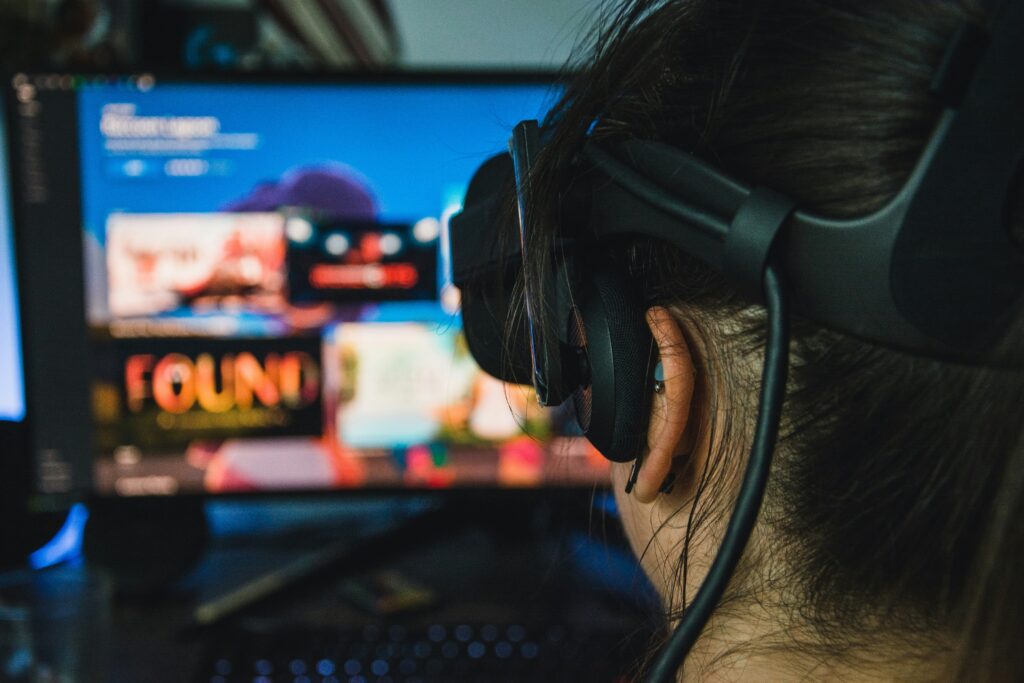
Virtual reality is no longer just for gamers. Step into a headset, and suddenly working out means boxing on rooftops in neon cities or holding a plank on a beach in Bali all without leaving your living room. At its core, VR fitness is about immersion. It swaps your plain living room backdrop with high stimulus environments built to keep your mind off the burn and your body in motion.
What sets VR workouts apart isn’t just the novelty it’s the realism. The best platforms use timed cues, full body motion tracking, and feedback loops that mimic the push of a seasoned trainer. You punch, dodge, squat, and stretch, all tracked in real time. Your performance shapes what happens next: slow down, and your “coach” might call it out; push harder, and the game responds, escalating the challenge.
But VR doesn’t mean going it alone. In fact, some of the most compelling experiences are social. You can train alongside avatars from around the world, all sweating through the same circuits. High fives are virtual, but the camaraderie is real. From solo HIIT to group yoga, virtual fitness isn’t just about movement it’s a community that never closes and never sleeps.
VR brings consistency, variety, and intensity to the table. And for many, that’s finally enough to make working out stick.
The Tech Behind the Sweat
Right now, a few platforms lead the charge in VR fitness. Supernatural, FitXR, and Les Mills Bodycombat are at the top popular for their mix of high energy sessions and game like environments. These aren’t just gimmicky workouts with flashy graphics. They’re pushing tech boundaries to demand real effort.
One reason these platforms hit so hard? Motion tracking. Your VR headset and controllers map how you move, which means no more lazy reps or half hearted squats. Some setups even integrate haptic feedback giving users vibrations or slight resistance when they land a punch or finish a set. That added realism keeps people locked in.
As for gear, you don’t need a NASA budget. An Oculus (now Meta Quest) headset gets you into most programs. Hand controllers are usually included, and that’s enough for 90% of the workouts. Optional extras like heart rate monitors and resistance bands are nice but not essential.
Bottom line: if you’ve got a VR headset and a bit of space to move, you’re set. It’s not about having all the tech. It’s about using it consistently.
Benefits Beyond the Buzz

VR fitness isn’t just about flashy headsets and digital avatars it’s changing how people approach working out. One of the biggest shifts? Motivation. When your daily run turns into a sci fi obstacle course or a rhythm based sword battle, something clicks. Games meet goals and workouts become harder to skip.
But it’s not just about fun. Customization is huge. You set the pace. You pick the environment. Temples, beaches, cityscapes it’s your workout, your rules. And there’s no audience, no mirrors, and no pressure just focus. For people who feel out of place in traditional gyms, that freedom matters.
More importantly, good VR programs go beyond just burning calories. They keep your brain in the game, too. Balance, coordination, presence all activated. It becomes less about grinding through reps and more about showing up, consistently, across body and mind. That’s a sustainability most fitness plans miss.
Reinventing Group Fitness in a Virtual World
Group fitness isn’t going away it’s just logging in. Virtual classes now feature real time avatars that mirror your movements, letting you push through reps with others in digital spaces that feel surprisingly alive. You’re not in a gym, but you’re not alone either.
This new format pulls people in for different reasons. It’s the camaraderie without the commute. The team energy minus the tight locker rooms. Whether you’re on your living room floor or in a hotel room three time zones away, showing up is easier and that’s most of the battle.
For instructors, the shift has been a challenge and a reset. Cueing, pacing, and reading the room now happen through screens. Many are learning tech on the fly while rethinking how to deliver motivation across a Wi Fi connection. But the savvy ones are thriving turning pre recorded routines into interactive sessions, adjusting in real time, and creating digital communities that stick around long after cooldown.
(Get inspired by more group fitness innovations)
Challenges to Consider
VR fitness isn’t plug and play for everyone. First, there’s the price tag. Between the headset, controllers, and sometimes a high powered PC, the startup cost can hit hundreds. Compared to a gym membership or a pair of running shoes, that upfront investment keeps many people on the sidelines. Accessibility goes deeper, too VR hardware can be physically uncomfortable or simply not usable for folks with certain disabilities or sensory limitations.
Then there’s the motion sickness wildcard. Not everyone’s brain plays nice with simulated movement. For some, 20 minutes in a VR spin class feels like 3 hours on a rocky boat. Platforms are improving visuals and stability, but it’s not a solved problem. Plus, not all headsets are made equal some buffer better, some lag more, and that can make or break your motivation.
Bottom line: VR fitness isn’t a one size fits all solution. If your goals depend on finely tuned form correction or you’re training for high performance sports, virtual workouts may fall short. But for general fitness, motivation, and community? It might be perfect as long as the tech fits your body, budget, and brain.
Where VR Fitness is Headed
The future of VR fitness isn’t just headset based it’s getting smarter and more connected. Wearables are syncing with VR platforms to track performance in real time, from heart rate to calorie burn and beyond. AI is analyzing that data on the fly, offering personalized tweaks mid workout. Instead of vague encouragement, you get feedback that actually matters: take a breath here, push harder there, adjust your form.
After the sweat dries, the insights keep coming. Post session stats lay everything out your output, your trends, where you improved, and where you slacked off. It’s data with purpose, not fluff.
What’s next? Hybrid fitness. Think VR workouts that connect with in studio experiences. Maybe you’re logging in from home while a live class is happening, or maybe you’re in the studio while others join virtually. Immersive tech isn’t replacing in person training it’s merging with it. The line between physical and digital gyms is fading fast.
Explore how group classes are evolving: group fitness innovations

 Markie Tranderstorm contributes to geniusfitnessarena with expertise in fitness technology, wearable devices, and performance tracking. Known for breaking down complex data into practical insights, Markie helps readers understand how digital tools can transform their training and recovery routines.