Introduction: Why Adaptive Fitness Matters Now
The fitness world isn’t sold on cookie-cutter programs anymore—and for good reason. The one-size-fits-all approach, long championed by gyms and apps alike, has started to break down. In its place: adaptive fitness. Personalized, flexible, and data-driven, this model meets people where they’re at instead of forcing them into programs that were never built for them.
Why now? Simple. More people are realizing that training should respect their lives, not derail them. Whether it’s a working parent squeezing in 20 minutes, a senior trying to stay mobile, or someone managing a neurological condition—adaptive programs bring the workout to the person, not the other way around.
Precision and inclusivity are no longer buzzwords; they’re expectations. Demand is climbing for programs that can stretch or scale depending on who’s showing up. Beginners want structure without pressure. Injured athletes need safe ways to rebuild. Neurodiverse individuals are done with systems that ignore how they process instruction. Adaptive fitness is building the bridge.
This shift is less about chasing trends and more about addressing a truth: real progress comes from programs that actually fit.
What Makes a Fitness Program “Adaptive”
Forget generic. Adaptive fitness is built on precision—and it starts with personalization at its core. The best programs now hinge on three key components: data-driven adjustments, real-time feedback loops, and clearly defined individual goals. That means every session is informed by how you moved, recovered, and responded the last time. You’re not guessing; you’re adapting.
Technology is now the silent coach. Wearables track your heart rate variability and sleep quality. Fitness apps crunch the numbers. AI coaching platforms recommend when to push and when to back off. It sounds futuristic, but it’s here, and it works when paired with human insight.
Because even with all the tech, good training still comes down to people. The most effective trainers don’t just throw a plan at you—they watch, listen, and tweak your program based on how your body actually responds, not how a chart says it should. This is training that bends, not breaks. Adaptive fitness isn’t about doing more. It’s about doing what works—for you.
The Tools Behind Personalization
Adaptive fitness isn’t guesswork—it runs on data. First up: genetics. Epigenetic testing can now give insight into how your body responds to stress, recovers from training, and metabolizes nutrients. It’s not about your DNA being a destiny—it’s about understanding how lifestyle and environment switch your genetic expression on or off. Fitness programs using this info can tweak intensity levels, rest periods, and even the kinds of workouts you should (or shouldn’t) do.
Then there’s wearable tech. Heart rate variability, sleep quality, and stress levels are no longer vague metrics. Today’s wearables give real-time feedback that’s immediately actionable. If you tanked on sleep last night, your platform knows it—and tomorrow’s workout backs off the volume. If your heart rate recovery is sluggish, your plan adjusts to prioritize mobility or active rest.
AI and machine learning are the engines behind all this adjustment. These tools track your performance over time, spot patterns, and make micro-adjustments to keep your progress optimized without overtraining. Think less cookie-cutter, more chess master—strategic, responsive, and two steps ahead.
A good example? Look at FitAdapt. It’s a client-facing platform that syncs wearables, genetic inputs, and performance markers into a single dashboard. Miss a workout, and it reshuffles the week without scolding you. Nail a strength day, and it bumps the intensity for next time. No coach? No problem—it adapts live, like it knows you better than you know yourself.
Personalized training isn’t novelty anymore. With the right tools, it’s just… training—done smarter.
Inclusive Fitness: Expanding Who Gets to Train
Fitness has been exclusionary for too long. Adaptive programs are changing that, peeling away a one-size-fits-all mentality and making space for people who’ve often been left behind. That starts with designing workouts specifically for individuals with disabilities or chronic conditions. These aren’t half-measures—they’re smart, responsive plans created with medical context and mobility needs baked in. It’s about meeting people where they are, not forcing them to fit a format that never fit them anyway.
Cultural sensitivity is another gear in the system that’s finally getting traction. The image of the typical fitness instructor—buff, intense, and tuned out from cultural nuance—is fading. Smart programs are bringing in coaches who understand the unique needs and values of diverse populations, who speak the language (literally and figuratively), and know when to listen more than talk.
Age-adaptive training is rising too. Kids need coordination and confidence. Seniors need strength and fall prevention. Adaptive models break these stages down realistically—it’s not about pushing, it’s about progressing. Personalization by age isn’t a gimmick; it’s common sense.
And for the millions without access to a physical gym, virtual adaptive training is the equalizer. Whether you’re in a remote area, dealing with mobility challenges, or just prefer staying home, tech-powered programs with adjustable difficulty, instructor feedback, and on-demand modifications help bridge the gap that geography or circumstance often creates.
Inclusivity can’t be lip service—not in health, not in fitness. The demand is there. Now, the infrastructure is finally catching up.
Results That Speak: Performance, Safety, and Retention
Adaptive fitness programs aren’t just a trend—they’re delivering real, measurable results. By adjusting workouts in real time based on physical feedback and performance data, these programs help reduce plateaus and prevent overtraining. No more grinding through routines your body isn’t ready for. Instead, you train smarter, not harder.
Injury risk drops when workouts match your current capacity. Too often, standard routines push people beyond their limits—or not far enough. An adaptive program meets you where you are, then challenges you just enough to improve safely. This isn’t about lowering the bar. It’s about knowing exactly where the bar is so you can clear it.
And perhaps most overlooked: motivation. When training plans are built around your goals, energy levels, and recovery, consistency follows. People stick with routines that feel designed for them—and that’s a serious win. Adaptation makes fitness sustainable, not just attainable.
Blending Solo and Group: The Future of Personalized Group Fitness
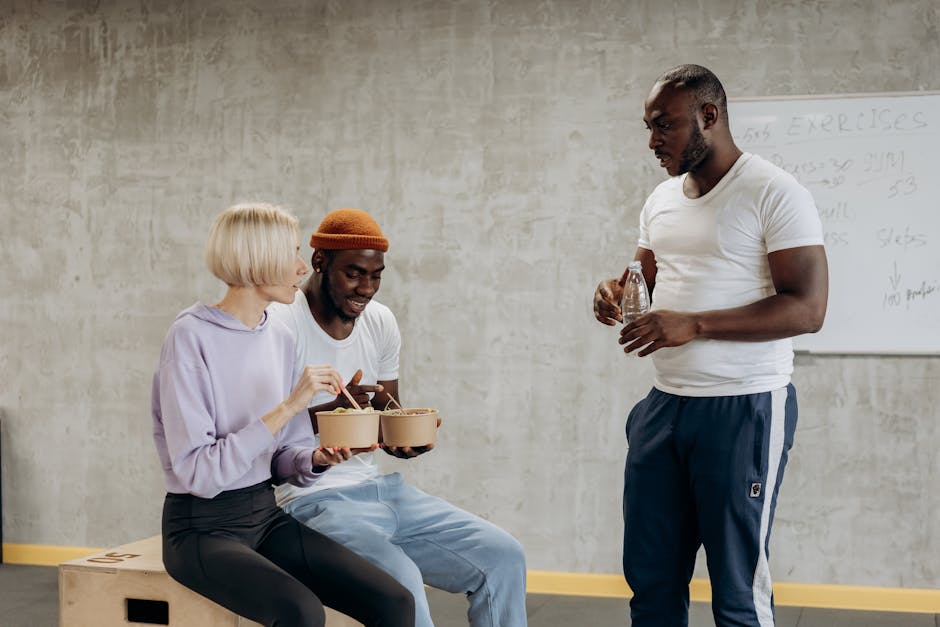
Group training isn’t what it used to be. The rise of hybrid class formats is stripping away the old, one-size-fits-all approach and replacing it with something leaner, smarter, and more dynamic. Imagine attending a bootcamp where everyone sweats together—but your reps, heart rate zones, and recovery times are adjusted in real time, just for you. That’s what’s happening now.
These classes blend the motivation of a shared workout with the sharp edge of personalized data. Participants might be using wearables, AI-assisted apps, or even smart mirrors that keep tabs on output and progress. Coaches lead the room, but each body is tuned to its own metrics. You’re in a group, but never lost in the crowd.
The payoff? Better adherence, fewer injuries, and personalized results without giving up the community vibe. It’s efficient, inclusive, and scalable. Whether you’re a lifelong athlete or just getting off the couch, hybrid formats meet you where you are and keep you climbing.
To dig deeper into how this model is evolving, check out Exploring the Latest Innovations in Group Fitness Classes.
Final Takeaways
Adaptive fitness isn’t an upgrade. It’s the baseline. The idea that you can squeeze everyone into the same program and expect consistent results is long gone. Bodies are different. Goals change. Life throws curveballs. Whether you’re getting back on your feet post-injury, starting from zero, or fine-tuning for peak performance, training that adapts to you works better. Every time.
Personalized programs meet you where you are—and then move with you. They shift in intensity, focus, or structure depending on what your body and data are saying. That keeps training safer, more effective, and more sustainable.
At this point, investing in a static plan is like using a paper map in a GPS world. The smart move is to choose a system that evolves as you do. Because your fitness journey won’t stay the same—and your program shouldn’t either.