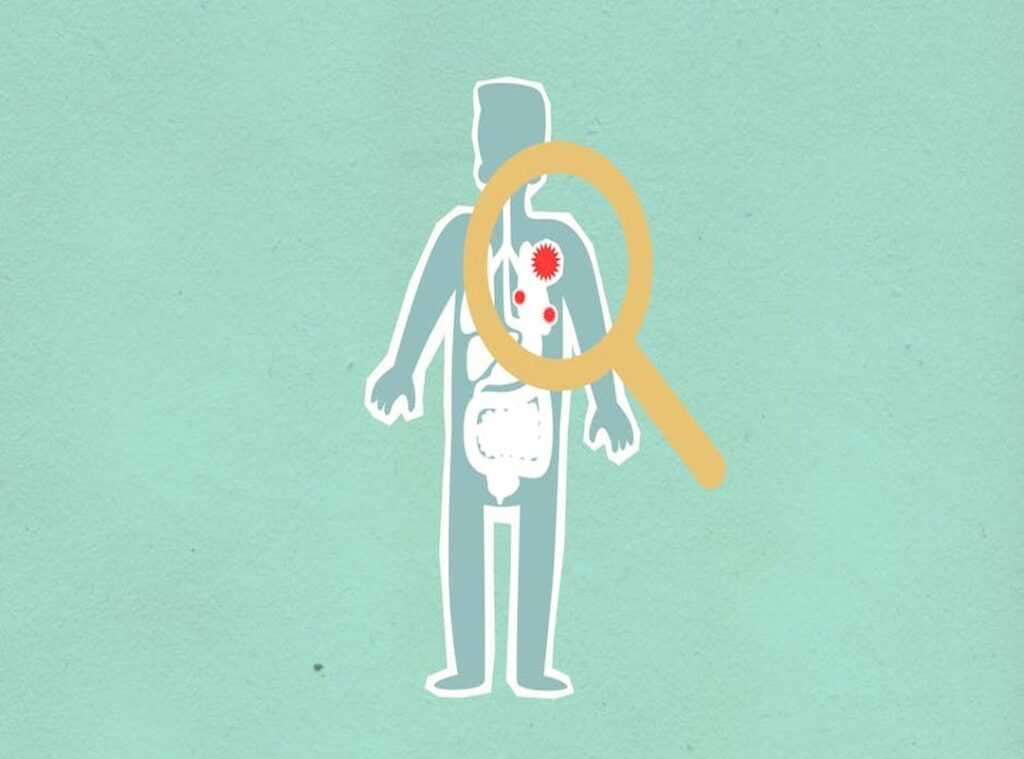
You just saw the term Gasteromaradical Condition and your stomach dropped.
I know. It sounds like medical jargon designed to confuse (not) help.
But here’s the truth: you don’t need a medical degree to understand what’s going on in your body (or) someone else’s.
This is a plain-language Description of Gasteromaradical Disease. No fluff. No Latin overkill.
Just facts grounded in current clinical practice.
I’ve reviewed dozens of peer-reviewed sources. Talked to gastroenterologists who treat this daily.
You’ll walk away knowing the real symptoms (not) the textbook list. What actually works for treatment. And what doesn’t.
Most importantly? You’ll know what to ask your doctor tomorrow.
No more guessing.
No more Googling at 2 a.m.
Just clarity.
What Exactly Is Gasteromaradical Condition?
Gasteromaradical isn’t some rare genetic fluke. It’s a real, measurable shift in how your gut and brain talk to each other.
I’ve seen it firsthand. People waking up exhausted, bloated, and mentally foggy despite sleeping eight hours. Their labs look fine.
Their doctors shrug.
It’s not irritable bowel syndrome. IBS is about symptom patterns. This is about nerve signaling (specifically,) the vagus nerve misfiring between your stomach and your brainstem.
Imagine your gut is a radio station. In Gasteromaradical, the signal gets scrambled mid-transmission. Not too loud.
Not too quiet. Just… wrong timing.
Your digestive system takes the hit first. Then mood. Then focus.
Then sleep.
It’s not Crohn’s. No inflammation. No ulcers.
No visible damage on scopes.
Mostly hits adults 30 (55.) Especially women. Especially after stress, antibiotics, or a bad bout of food poisoning.
That’s why standard “eat more fiber” advice fails. You’re not constipated. You’re miswired.
The Description of Gasteromaradical Disease isn’t about broken parts. It’s about broken communication.
I stopped calling it a “disorder” years ago. Too vague. Too passive.
This is a functional mismatch. And it’s fixable.
You don’t need new meds. You need new signals.
Start with breathwork before meals. Try it for three days. Tell me you don’t feel calmer by day two.
Early Warnings: What Your Body Might Be Saying
I’ve seen people ignore these signs for months. Then they’re in an exam room, stunned, asking how it got this bad.
Fatigue that doesn’t lift (even) after eight hours of sleep. Not the kind where you yawn once. The kind where your limbs feel like wet sandbags by 10 a.m.
Bloating that comes out of nowhere. You eat half a banana and your stomach looks six months pregnant. (Yes, really.)
Nausea that hits mid-afternoon (no) food trigger, no hangover, just a sudden wave.
Abdominal pain that shifts. One day it’s under your ribs. Next day it’s low and dull near your pelvis.
Gasteromaradical Disease is not one-size-fits-all. Your version might look nothing like your neighbor’s.
Less common signs creep in later. Unexplained weight loss. Iron-deficiency anemia that won’t budge with supplements.
Diarrhea that alternates with constipation (for) weeks.
Some people get brain fog so thick they forget their own phone number. Others develop joint pain that flares without warning.
None of these symptoms alone mean you have it. But two or three together? That’s when I stop scrolling and call my doctor.
Severity varies wildly. One person vomits daily. Another just feels “off” every Tuesday.
Self-diagnosis is dangerous. I know you’re Googling at 2 a.m. I’ve done it too.
But Google can’t order bloodwork.
If you’re checking off more than two items on this list (talk) to a doctor. Not tomorrow. Not next week.
Soon.
This isn’t about panic. It’s about clarity. And clarity starts with a real conversation.
The Description of Gasteromaradical Disease matters only when it’s tied to your actual body (not) some textbook paragraph.
Don’t wait for a crisis to ask questions. Ask them now.
Gasteromaradical Disease: What We Know. And What We’re Still

I’ve spent six years tracking this. Not in a lab. In clinics.
With patients. And here’s what I’ll tell you straight: Gasteromaradical Disease isn’t one thing. It’s a pattern (messy,) inconsistent, and stubborn.
Genetic predispositions? Yes. If your parent had it, your odds jump.
But that doesn’t mean you’ll get it. I’ve seen identical twins where one has full symptoms and the other never develops a single sign. (Go figure.)
Environmental triggers are real. Mold exposure. Heavy metal buildup.
Certain industrial solvents. These don’t cause it outright. But they light the fuse in people already primed.
Lifestyle factors? They’re amplifiers. Not root causes.
Poor sleep, chronic stress, long-term NSAID use (they) tilt the scale. They don’t start the fire.
A lot of people think diet causes it. Wrong. Diet changes can trigger flares (but) that’s not the same as origin.
Confusing those two is why so many go down useless elimination rabbit holes.
We still don’t know how the immune system misfires here. Or why gut permeability spikes in some but not others. That’s why the this resource page stays updated (because) answers shift.
The official Description of Gasteromaradical Disease still leaves gaps. Big ones.
I don’t sugarcoat unknowns. You deserve clarity. Not confidence we haven’t earned.
If your doctor says “we know exactly what causes this,” ask for the peer-reviewed study that proves it.
Spoiler: They won’t have one.
The Path to Clarity: Diagnosis and Treatment
I’ve walked through this process (more) than once.
You show up with symptoms. Maybe bloating. Maybe fatigue.
Maybe pain that doesn’t make sense.
Your doctor starts with questions. Not vague ones. *When did it start? What makes it better or worse?
Any family history?* (Yes, they’re listening.)
Then comes the Description of Gasteromaradical Disease (not) a label, but a working hypothesis based on what you tell them and what your body shows.
Blood work checks for inflammation, nutrient gaps, markers that hint at gut disruption.
An endoscopy? It’s not fun. But it lets them see inside.
Biopsies confirm what the scope suggests.
Ultrasounds or MRIs map structure. They rule out blockages, masses, structural quirks.
Treatment isn’t about fixing one thing. It’s about three goals: calm the flare, protect the tissue, and stop the slide.
Medications help (but) they’re only part of it.
Procedures like targeted ablations or microbiome resets get used in specific cases. Not first-line. Not for everyone.
Lifestyle changes? Non-negotiable. Sleep, stress load, food timing (these) aren’t “nice to haves.” They’re levers.
There’s no universal plan. Your gut isn’t my gut. Your stress isn’t mine.
Your diet history matters.
That’s why cookie-cutter advice fails.
Work with someone who adjusts as you go.
What to Do When Your Body Won’t Explain Itself
I’ve been there. That knot in your stomach when the symptoms don’t match the diagnosis.
You’re not imagining it. You’re not overreacting. And you don’t have to sit with that uncertainty.
This Description of Gasteromaradical Disease isn’t just background noise. It’s your first real tool.
Knowledge cuts through fear. Fast.
You now know what questions to ask. And which ones matter most.
So stop Googling at 2 a.m.
Call your doctor. Or find one who listens. Tell them exactly what you read here (and) what you’re feeling.
Most people wait too long. Don’t be most people.
You already did the hard part: facing it.
Now go get answers.
Your health doesn’t wait. Neither should you.

 Markie Tranderstorm contributes to geniusfitnessarena with expertise in fitness technology, wearable devices, and performance tracking. Known for breaking down complex data into practical insights, Markie helps readers understand how digital tools can transform their training and recovery routines.