What Functional Training Really Means
Functional training isn’t flashy. It’s about building strength and control that actually helps you move better in daily life. Think less about six pack abs, more about reaching a top shelf without pulling your shoulder or picking up a kid without tweaking your back.
This kind of training mimics how your body moves in the real world. You’re squatting, lifting, twisting, pushing, and pulling all often at the same time. These aren’t isolated gym lifts. They’re compound movements designed to train your body the way it works outside the gym.
At its core, functional training builds three things: strength, stability, and mobility. You need all three. Strength to handle physical tasks, stability to control movement under pressure, and mobility to move freely without strain.
It’s also about injury prevention. When your muscles and joints are trained for real life motion not just machines or mirror muscles you’re less likely to get hurt. The goal here isn’t just to look strong. It’s to be strong, stable, and capable in everyday life.
Key Movements That Matter
Functional training isn’t about flashy moves or maxing out your deadlift. It’s about building strength and stability where it actually counts your daily life. These are the big four movement patterns to focus on:
Squats: This is your go to for lower body power. Not just for leg day this is for lifting a laundry basket, getting out of a car, even standing up from a chair. A solid squat builds quads, hamstrings, and glutes the engine of your body.
Push & Pull Movements: Think overhead presses, rows, and carries. These train your shoulders, back, and arms to do what they were built for move, lift, and stabilize. Whether you’re reaching for a shelf or hauling groceries, upper body strength matters. Balanced pushing and pulling keeps shoulder joints healthy and posture upright.
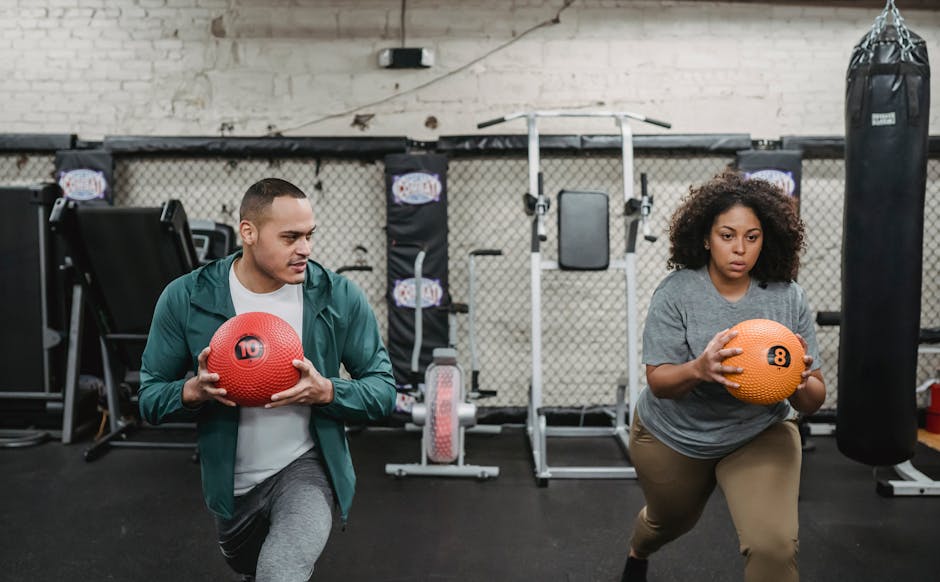
Rotational Work: Life doesn’t happen in straight lines. Reaching across the car, twisting to grab something off the floor these are core dominant, rotational moves. Adding chops, lifts, and controlled twists to your workouts builds a stronger midsection that resists injury and helps with everything from swinging a bat to turning your torso while vacuuming.
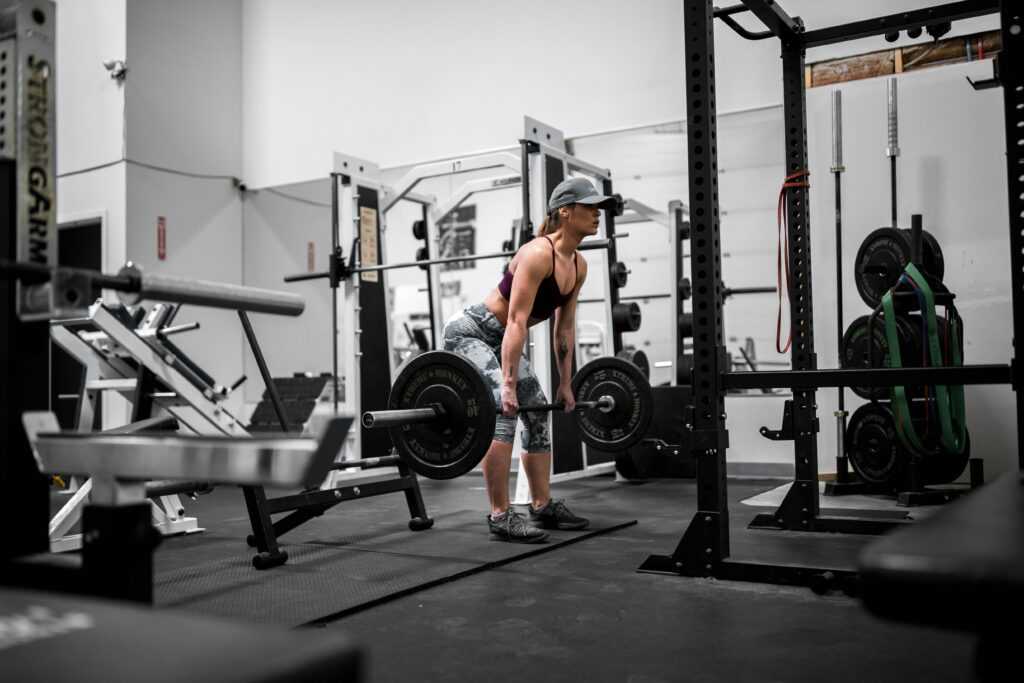
Balance & Unilateral Training: Lunges and single leg Romanian deadlifts force each side of your body to pull its own weight. They also expose and fix asymmetries that can lead to injury. You get coordination, joint stability, and improved control all from just a few reps on one leg.
If you want real world strength, start with movements that map directly to real world situations.
Workout Framework You Can Use

Start with a warm up that opens you up and gets the blood moving. Hip openers, arm circles, neck rolls, wall slides keep it dynamic. Think of this like prepping your joints to handle real movement, not just warming muscles. Spend 5 10 minutes here. It sets the tone.
Your main training block? Circuit style. It’s no nonsense and it works. Aim for 4 5 exercises that train your whole body in a single go. Example setup: Squat → Push Up → Lunge → Row → Plank. Do each move for 45 60 seconds, rest 15 30 seconds in between. Loop around 2 4 times depending on your level. It’s fast, efficient, and hits all the essentials.
Need something lower impact? Swap in resistance bands, sliders, and bodyweight. Think glute bridges with bands, wall push ups, bodyweight lunges, and slow mountain climbers. These alternatives still build function and control without frying your joints.
Once you’ve worked, don’t skip the cooldown. Go back to mobility: deep squats, cat cow, shoulder rolls. Pair it with breath work. Even a few minutes helps recover faster and move better tomorrow.
Want to build endurance around your workouts? Check out cardio routine planning.
Daily Life Wins From Consistent Functional Training
This is where it actually counts.
Functional training isn’t about vanity metrics it’s about making daily life smoother. Picking up a bag of groceries or hauling laundry up the stairs shouldn’t wreck you. Building strength through natural movement patterns means your back, knees, and shoulders can keep up with your life instead of holding you back.
You’ll also notice the small stuff gets easier. Whether it’s climbing stairs without the usual huffing or crawling on the floor with your kid without groaning like you’re 80, functional fitness makes those things feel less like effort and more like living.
Desk bound most of the day? Smart, regular movement improves posture your spine stays happier and your shoulders less tight. Move well, sit better.
And let’s talk confidence. When your body listens and responds the way it should, you carry yourself differently. You trust your strength. That does more for self belief than any mirror ever will.
It’s not about looking fit. It’s about being ready for life, every day.
Make It Stick
It’s not about doing more. It’s about doing enough and doing it regularly. Hitting 3 4 workouts a week is the sweet spot. That pace gives your body time to recover, but also builds real, lasting progress. You stay in rhythm without burning out.
Got limited space? No stress. Functional training is made to scale. You can crush a workout in your living room with zero machines just bodyweight, maybe a kettlebell or resistance bands. What matters is movement quality, not fancy gear.
Consistency matters most, but so does context. Support your training with healthy habits walk more, hydrate, get quality sleep. And don’t forget the heart: combining your workouts with solid cardio planning can boost endurance and recovery.
To set that up smart, dig into this guide on cardio routine planning.