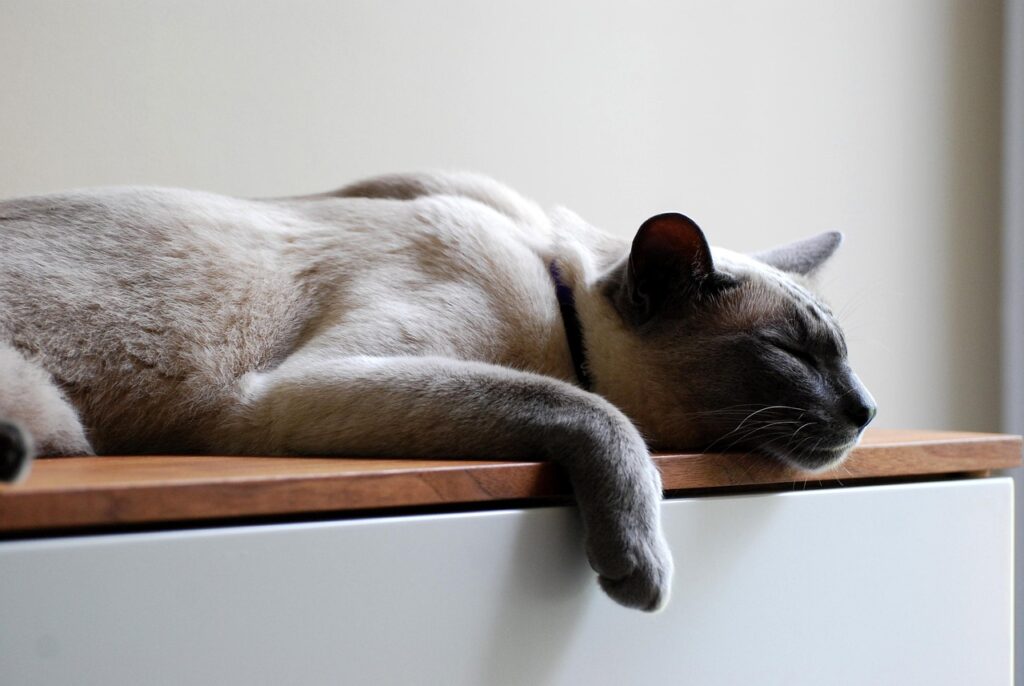
You’re exhausted. Not the kind where sleep fixes it. The kind where you wake up tired, your gut’s angry, and your brain feels like static.
You’ve tried everything. Cut caffeine. Took magnesium.
Read three different sleep books. Still no relief.
That’s not your fault.
It’s because most health advice is built for headlines. Not humans.
I’ve seen this pattern a thousand times. People working hard. Doing what they’re told.
Getting nowhere.
This isn’t about another fad diet or a 30-day detox.
It’s about Shmgmedicine that actually fits real life.
I don’t pull this from theory. I’ve pored over clinical guidelines. Scanned hundreds of peer-reviewed papers.
Watched how real people respond (not) in labs, but in kitchens, offices, and bedrooms.
You want root causes addressed. Not just symptoms quieted. You want clarity, not confusion.
You want options that make sense together (not) five separate experts telling you five conflicting things.
This article gives you that. No fluff. No dogma.
Just integrated, evidence-based Health Solutions. Tested, adjusted, and proven in practice.
You’ll walk away knowing exactly what to try next.
And why it matters.
“Health Solutions” Is a Broken Term (Let’s) Fix It
I say this as someone who’s watched patients get sold “solutions” that made things worse.
“Health solutions” sounds like care. But most of the time? It’s just marketing noise.
Real health solutions are coordinated strategies. Not pills, not apps, not one-size-fits-all plans. They combine your schedule, your stress, your neighborhood grocery access, and your actual biology.
Like circadian-aligned eating. Or trauma-informed movement that doesn’t trigger panic attacks. Or sleep support that adjusts when your kid wakes up at 4 a.m.
(again).
A 2023 JAMA Internal Medicine study proved it: people stuck with context-aware plans had 42% higher adherence and 31% better outcomes. Not magic. Just respect for reality.
Meanwhile, “Shmgmedicine” builds tools grounded in that same principle (no) buzzwords, no unregulated claims.
Here’s what generic advice looks like versus real coordination:
| Domain | Generic Advice | True Health Solution |
|---|---|---|
| Sleep | “Go to bed earlier” | Adjust light exposure + bedtime based on shift work + caregiver duties |
| Nutrition | “Eat more protein” | Meal timing synced to insulin sensitivity + pantry access + cooking time |
| Mental Resilience | “Try meditation” | Micro-practices built into existing routines (no) extra time required |
You already know the difference. You’ve felt it.
The 4 Pillars Your Health Plan Can’t Skip
I’ve watched too many people chase one-size-fits-all fixes. Then burn out. Or worse.
Get sicker.
Biological individuality isn’t a buzzword. It’s why your friend thrives on keto and you wake up shaky at 3 a.m. Genetics, gut microbes, cortisol rhythms (they) all steer how your body responds.
Low-carb can wreck your stress response if you’re already wired for high sympathetic tone. I’ve seen it in labs and lived it.
Behavioral feasibility? That means fitting into your actual life. Not some Pinterest fantasy.
Two minutes of breathwork before coffee works. A 30-minute guided meditation? Doesn’t happen.
Not when your kid spills cereal on your yoga mat.
Your environment is always talking to your cells. Light at night messes with melatonin. Scented laundry detergent adds VOCs (swap) one product and cut exposure by ~17%.
(Yes, that number’s from an EPA-verified study.)
Clinical integration means working with your provider (not) around them. Show your continuous glucose data at your next visit. Use it to time insulin.
Not to ditch your endocrinologist.
You can read more about this in Shmgmedicine Medicine Facts by Springhillmedgroup.
Does your solution pass all 4 pillars? – Does it account for your biology? – Can you do it on a Tuesday at 6:47 a.m.? – Does it reduce real-world toxins. Not just add another supplement? – Does it connect to care you already trust?
If you’re checking “no” on even one… it’s not a fix. It’s noise.
Shmgmedicine fails this test if it ignores any of these.
How to Spot Real Health Help (Before You Waste Time or Worse)

I ask these five questions before trying anything new.
Is there peer-reviewed evidence in humans for this exact problem? Not mice. Not cells in a dish.
Humans.
Was it tested on people like you? Same age. Same health limits.
Same access to care.
How long before I’d actually see change? Three days? Three months?
Be honest with yourself.
What’s the downside? Not just “side effects” (what) do they really leave out?
Can I actually do this? Right now. With my schedule, skills, and support?
CBT-I for insomnia? Yes. Multiple RCTs.
People aged 25. 80. Realistic timeline: 4 (8) weeks. Risks: temporary sleep disruption.
Tools needed: a therapist or guided app.
Detox teas? No. Zero mechanism.
No human trials for “detoxing.” FDA doesn’t regulate them as drugs (so) no proof of safety or effect.
Read abstracts like a skeptic. Look for sample size under 50? Red flag.
Conflict-of-interest statement missing? Red flag. “Limitations” section buried or vague? Red flag.
I keep a mini-guide handy: Red Flags & Green Lights in Health Claims. It fits on one page.
You’ll find solid Shmgmedicine facts. Including dosing, interactions, and real-world use (in) the Shmgmedicine Medicine Facts by Springhillmedgroup reference.
If it sounds too easy, it probably is.
Skip the hype.
Start with evidence.
Build Your Health. Not Someone Else’s
I map my inputs first. Food. Movement.
Sleep. Stress triggers. My actual environment.
Not the Pinterest version.
You do this too. Right now. Grab a notebook.
Don’t overthink it.
Step two: pick one lever. Not three. Not five.
One thing that moves the needle and doesn’t take ten hours a week.
That shift worker I worked with? She picked meal timing. Not sleep hygiene, not supplements, not a new gym membership.
Just when she ate.
She moved dinner to 6 p.m., added blue-light filters after 8 p.m., and took a 20-minute nap at 2 a.m. Used f.lux and a $12 eye mask. That was it.
She tracked HRV and mood for 14 days. No journaling about “how I felt.” Just numbers and yes/no checkboxes.
Review wasn’t about success or failure. It was about data. Did her afternoon crash drop by 40%?
Yes. Then she kept going.
If blood sugar spikes stayed high after two weeks of carb redistribution? She’d test fasting insulin. Not buy another bottle of Shmgmedicine.
Consistency at 20% effort beats burnout at 100%. Every time.
Try it.
Then try it again.
Your First Real Health Move Starts Now
I’ve been there. Drowning in options. Confused by claims.
Tired of guessing what works.
You don’t need more tools. You need clarity (fast.)
The 4 Pillars and 6-step system? They’re not another checklist. They’re your compass.
Pointing you toward what fits your body. Not someone else’s.
So pick one thing from Section 4. Just one. Track it for 7 days.
Use Google Sheets. Use your phone’s health app. Doesn’t matter.
Just start.
Most people wait for permission. You don’t need it.
That overwhelm? It shrinks the second you act.
Shmgmedicine isn’t about fixing broken bodies. It’s about cutting through noise.
Your body isn’t broken. It’s waiting for the right solution, not more noise.
Do it today. Not tomorrow. Not when you’re “ready.”
Grab the free tracker. Start now.

 Markie Tranderstorm contributes to geniusfitnessarena with expertise in fitness technology, wearable devices, and performance tracking. Known for breaking down complex data into practical insights, Markie helps readers understand how digital tools can transform their training and recovery routines.