You’ve been there. Your aunt gets a referral to three different specialists. No one talks to each other.
Her meds clash. She misses a follow-up because the portal logged her in under her maiden name.
That’s not bad luck. That’s what happens when medical practices aren’t built to hold things together.
I’ve sat in exam rooms across rural clinics, urban multispecialty groups, and safety-net providers.
I’ve watched how a single well-run practice can stop that chaos before it starts.
Medical practices aren’t just billing machines or appointment schedulers. They’re where clinical judgment meets human trust. Where data becomes care.
Where policy hits the ground.
Most articles tell you what practices do.
This one answers why their stability changes outcomes (for) patients, families, whole neighborhoods.
You’re here because you need proof. Not theory. Not buzzwords.
Real cause-and-effect.
I’ll show you exactly how practice-level decisions ripple into ER visits, medication errors, even life expectancy.
And yes (I’ll) tell you why How Important Is Medicine Shmgmedicine isn’t just a question. It’s the hinge everything else swings on.
Read this. Then go look at your local clinic’s front door. See it differently.
Clinical Continuity: Why Your Doctor Should Know Your Dog’s Name
I’ve seen patients get misdiagnosed because no one connected the dots between their new rash and the blood thinner they’d been on for two years. That’s not rare. That’s preventable.
Longitudinal relationships cut diagnostic errors. Not by magic (by) memory. By knowing your baseline.
By spotting what’s off, not just what’s abnormal.
Medication conflicts drop when one team manages your prescriptions. Not three different clinics, each with half the list. You know that feeling when you hand a new doctor a crumpled pharmacy printout?
Yeah. We shouldn’t rely on that.
Hospital readmission rates tell the truth: patients with a primary practice home are 27% less likely to bounce back within 30 days (CMS, 2022). Without that anchor? You’re more likely to land back in the ER.
Not because care was bad, but because it wasn’t connected.
Shmgmedicine builds that continuity into daily workflow. Not as an add-on, but as the default.
Care coordination inside the practice changes everything. A nurse calling before your diabetes appointment to check your glucose log? That’s not “extra.” That’s safety.
They catch the low numbers before the ER visit.
EHR integration within the practice. Not across ten systems. Means notes actually match up.
Your asthma action plan shows up in the same chart where your inhaler refill request lives. No more guessing if “patient denies chest pain” refers to last week or last year.
How Important Is Medicine Shmgmedicine? It’s how you stop treating episodes and start protecting people.
Trust Isn’t Built in the Cloud
I’ve watched patients sit stiller when a nurse they’ve seen for seven years walks in.
Not because she’s wearing a badge. Because she remembers their kid’s name. Because she paused last month when they mentioned back pain (and) followed up.
That’s trust infrastructure. Not some tech buzzword. It’s real people, showing up, consistently.
Algorithms don’t hold your hand after a bad lab result. Telehealth-only models can’t read the hesitation in your voice and switch to Spanish without asking.
Vaccine hesitancy doesn’t melt away with a PDF link. It cracks when your clinic’s bilingual outreach worker explains mRNA in your kitchen, over tea.
Staff longevity matters. So does cultural humility training (not) as HR paperwork, but as staff who know which questions not to ask.
You notice these things. You feel them. Before you even open your mouth.
Digital platforms? They automate follow-up. They blur accountability.
One chatbot error gets routed to three departments (and) zero humans own it.
How Important Is Medicine Shmgmedicine? Ask yourself: Who would you call at 2 a.m. with a new symptom?
Not the app. The person.
That’s not nostalgia. That’s design.
And it’s non-negotiable.
Why Local Practices Are the Real Health Anchors
I’ve watched clinics open and close in my town. When one shuts down, it’s not just about missed appointments.
It’s about the lab tech who loses her job. The local pharmacy that stops getting weekly prescription orders. The school nurse who no longer gets funding for flu shots.
A midsize primary care practice supports 8 (12) full-time jobs (not) counting doctors. Front desk staff. Medical assistants.
Billing specialists. All hired locally. Paid locally.
Spending locally.
That’s real economic weight. Not theory. Not projections.
When a practice closes, referrals dry up fast. Ortho clinics see fewer knee consults. Imaging centers lose 20% of their outpatient volume in six months.
PT offices slowly cut hours.
You think that’s isolated? It’s not.
De-identified data from those same practices feeds county health dashboards. Tracks diabetes control rates. Flags asthma hospitalization spikes.
Helps allocate vaccine doses where they’re needed most.
This isn’t abstract. It’s how public health actually works on the ground.
How Important Is Medicine Shmgmedicine? It matters. But only if the system delivering it stays rooted.
What Medicine for Cancer Shmgmedicine is one piece. But without stable practices to prescribe it, monitor side effects, and coordinate care? It’s just a pill in a bottle.
I’ve seen patients fall through the cracks when their clinic vanishes. No warning. No backup.
Don’t wait until the last sign is gone. Protect the practice. Not just the prescription.
Adaptability Under Pressure: Not Just Surviving (Staying) Human
I’ve watched small practices pivot faster than hospital systems ever could. Same-day mental health consults in primary care? Done.
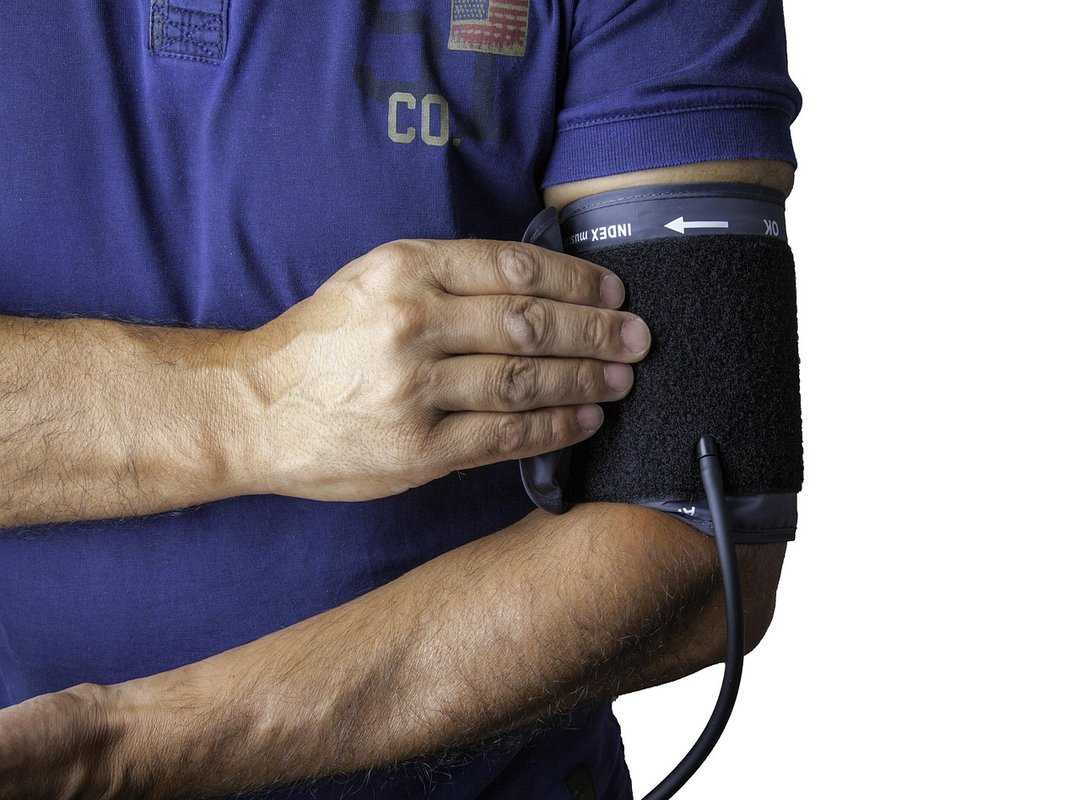
Remote hypertension monitoring baked into daily charting? Already live.
That’s not buzzword innovation. That’s clinical impact.
Automated prior auth bots? Sure. They save time.
But they don’t lower A1c. Team-based diabetes coaching does. One changes paperwork.
The other changes lives.
Small practices pilot fast. I saw one add social determinants of health screening in 72 hours. No committee.
No pilot phase. Just a nurse, a template, and five minutes at huddle.
Big systems wait for permission. Small ones ask “What breaks if we try it today?”
Burnout-driven innovation fatigue is real. You can’t bolt on new workflows while your team’s running on fumes.
Sustainable change needs protected time. And actual team input (not) top-down mandates dressed as “opportunities.”
How Important Is Medicine Shmgmedicine? It’s the question no one asks aloud. But everyone feels in their shoulders at 6 p.m.
I stopped trusting “efficiency wins” the day I watched a clinician cry because her EHR update erased her note-typing shortcuts. And her ability to look patients in the eye.
Innovation without mission isn’t progress. It’s noise.
What Happens When Practice Significance Is Overlooked
I see it every time a clinic cuts staff to “save money.”
Then the ER gets slammed with avoidable asthma flare-ups.
Preventable ER visits go up. Fast. Not because people don’t care.
Because no one had time to adjust their inhaler technique or check their peak flow at the last visit.
Chronic disease control gets worse. Especially for Black, Latino, and low-income patients. Why?
Because care coordination isn’t reimbursed. And documentation eats half your day.
Clinicians burn out. Not from lack of passion (from) lack of time. You can’t build trust in 7 minutes.
You can’t.
Fee-for-service pays for procedures (not) conversations. That’s not neutral. That’s sabotage.
Underfunding primary care doesn’t save money.
It just moves the bill. Upstream, to hospitals, to taxpayers, to families.
Recognizing significance isn’t nostalgia. It’s strategic investment.
And if you’re wondering How Important Is Medicine Shmgmedicine, start here: How Medicine Affects
Medical Practices Are the Glue
I’ve said it before. I’ll say it again.
How Important Is Medicine Shmgmedicine? It’s not about tech stacks or policy jargon. It’s about who shows up when someone’s scared, tired, or confused.
You’ve been wondering why practices still matter. Amid mergers, layoffs, and endless “innovation.” I get it. The noise drowns out what’s real.
Strong practices don’t just deliver care (they) hold communities together.
So ask yourself: What’s one thing I can do this week to protect that?
Pick a clinic you trust. Call your rep about fair pay. Show up for a local health fair.
Not later. Not after the next report drops. Now.
Because when practices falter, people fall through the cracks (fast.)
You already know what matters.
Go act on it.

 Markie Tranderstorm contributes to geniusfitnessarena with expertise in fitness technology, wearable devices, and performance tracking. Known for breaking down complex data into practical insights, Markie helps readers understand how digital tools can transform their training and recovery routines.