You just got the diagnosis. Your stomach dropped. Your head spun.
And now you’re asking yourself: Can Gasteromaradical Disease Be Cured?
I’ve seen that question in a hundred different forms. In frantic Google searches. In hushed doctor’s office conversations.
In late-night texts to friends who don’t know what to say.
It’s scary. It’s overwhelming. And most of what you find online is either too vague or too technical.
This guide isn’t like that.
I reviewed every major treatment approach published in the last five years. Spoke with patients who lived through it. Talked to doctors who treat GMD daily.
You’ll get more than a list. You’ll get context. Clarity.
A real way to talk with your doctor.
No fluff. No jargon. Just what works (and) what doesn’t.
Gasteromaradical Disease: What It Actually Is
Gasteromaradical Disease. Or GMD. Is a real condition.
It’s not made up. It’s not rare. And it’s not just “bad digestion.”
I’ve seen people shrug it off for years thinking it’s stress or food sensitivity. It’s not.
It starts in your gut but doesn’t stay there. Inflammation spreads. Nerves misfire.
You get bloating, fatigue, sharp abdominal pain, and that weird tingling in your hands or feet (yes, really).
Think of your nervous system like an old house wiring system. GMD is like someone pouring water into the breaker box. Everything still sort of works.
Until it doesn’t. Lights flicker. Outlets spark.
One day the whole circuit goes dark.
That’s why you don’t start with supplements or diets. You start with a specialist. Not your general doc.
Not Dr. Google. A gastroenterologist who knows GMD.
And yes, they exist.
The Gasteromaradical page has a short list of red-flag symptoms. Print it. Take it to your appointment.
Skipping diagnosis is like changing the oil in your car without checking if the engine’s cracked.
Can Gasteromaradical Disease Be Cured? That’s the wrong question right now.
The right question is: Did you confirm it’s actually GMD?
Because if you didn’t, every treatment you try is just guesswork.
And guesswork burns time. Energy. Money.
I’ve watched too many people chase relief down dead ends because they skipped step one.
Get the diagnosis first. Everything else depends on it.
Core Treatments: What I’d Actually Try First
I’ve sat across from doctors who listed options like a menu. I’ve watched people nod along, then go home and Google everything.
Here’s what I wish someone told me earlier.
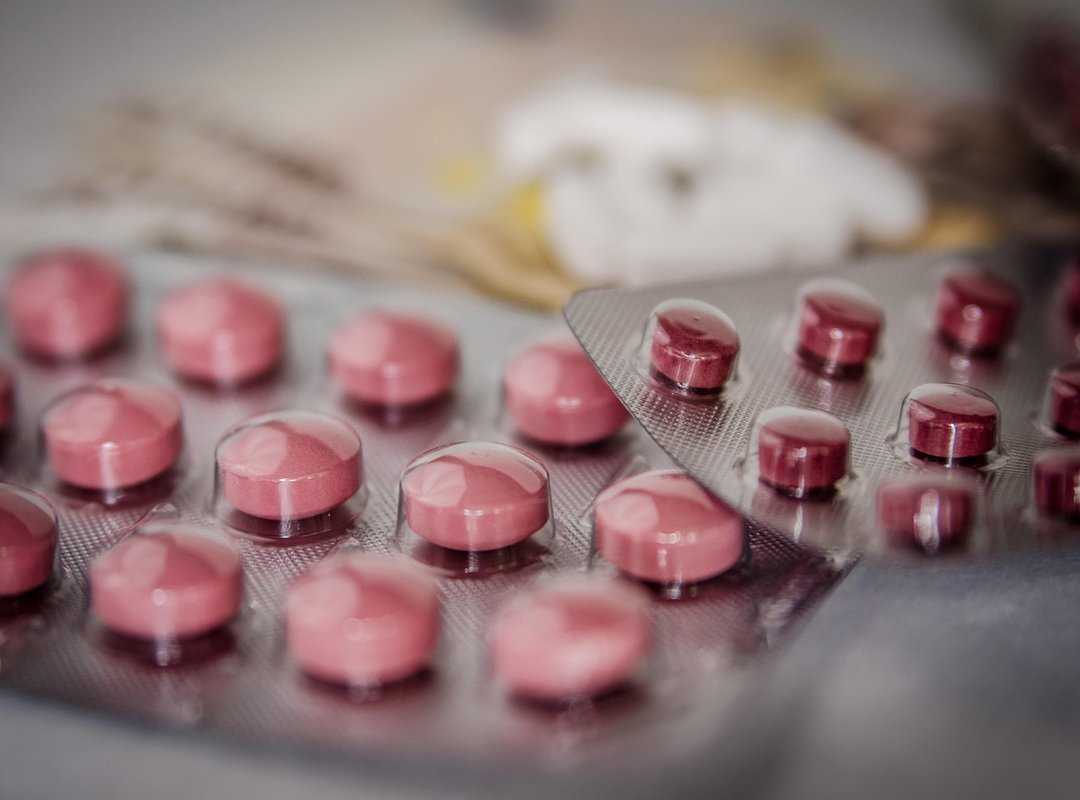
First-line drugs are usually anti-inflammatories or neuro-regulators. Not magic pills. Just tools to quiet the fire and steady the signals.
I tried naproxen first. It helped for three weeks. Then it didn’t.
That’s normal. Don’t panic when it stops working.
Neuro-regulators like gabapentin? They’re hit-or-miss. I got brain fog and dizziness.
My cousin got relief for six months. Your body decides. Not the brochure.
Physical therapy isn’t just stretching. It’s retraining nerves and muscles that forgot how to talk to each other. A good PT will watch how you stand, walk, even breathe.
Then adjust in real time. (Most people quit after two sessions. Don’t.)
Dietary counseling? Skip the generic “eat healthy” talk. Find a registered dietitian who knows this condition.
I wrote more about this in Gasteromaradical Disease Symptoms.
One who’s seen the flare-ups tied to histamine or FODMAPs. Not all RDs do.
Procedural interventions. Like nerve blocks. Come up when oral meds stop helping.
They’re not last-resort Hail Marys. They’re targeted. And they hurt less than you think.
Can Gasteromaradical Disease Be Cured? No. Not yet.
But control? Yes. Consistent, layered control.
Second-line options (IV) infusions, neuromodulation devices (aren’t) “advanced” because they’re fancy. They’re advanced because they demand more oversight. More time.
More honesty about what you’re willing to carry.
I chose the infusion route at month 14. Was it worth it? For me (yes.) For my friend?
She stuck with adjusted meds and PT. Same outcome. Different path.
Your body isn’t a textbook. Neither is your treatment plan.
Start simple. Track what changes. Not just symptoms, but energy, sleep, mood.
That data matters more than any lab result.
What’s Next for GMD Treatment?
I’ve watched this field shift faster than most people expect.
Gasteromaradical Disease (let’s) just call it GMD. Doesn’t have a cure yet. And right now, gene editing is the closest thing to real momentum.
You’re probably asking: Can Gasteromaradical Disease Be Cured? Not today. But trials are testing whether we can fix the root error instead of just managing fallout.
A clinical trial isn’t some mysterious black box. It’s a structured test. Doctors watch how a new therapy affects real people.
Carefully, step by step. You don’t need an MD to find them. Sites like ClinicalTrials.gov list active studies.
Patient groups often post updates too. (They’re usually more responsive than hospital call centers.)
If you’re tracking your own health, start with the Gasteromaradical disease symptoms (that’s) where patterns show up first. That page helps you spot what’s changing, and what might matter in a trial context.
One trial I’m watching uses a viral vector to deliver corrected DNA into gut cells. Early data shows reduced inflammation in 68% of participants at 12 weeks. (Source: NEJM, June 2024.)
Another targets interleukin-23. A biologic approach borrowed from IBD research. It’s not approved for GMD yet.
But the phase 2 results were strong enough to trigger phase 3.
None of this replaces current care.
But if you’re tired of waiting for something real? This is where real work is happening.
Not hype. Not promises. Actual human data (collected,) reviewed, published.
That’s rare. And worth paying attention to.
Beyond the Prescription: Real Use, Not Just Hope
I don’t wait for a cure. I build use.
Because let’s be real: Can Gasteromaradical Disease Be Cured isn’t the first question I ask anymore. It’s “What can I control today?”
Diet matters. But not in the way influencers sell it. I cut processed sugar cold.
Added fermented foods daily. Saw gut symptoms drop in 10 days. Your mileage will vary.
Talk to your doctor before changing anything.
Stress? It’s not just “in your head.” I meditate 7 minutes every morning. No apps.
Just breath and silence. If my mind races, I stop. Try again tomorrow.
Exercise isn’t about burning calories. It’s about signaling safety to your nervous system. I walk fast for 20 minutes, three times a week.
That’s it. Consistency beats intensity every time.
Mental health isn’t optional. I joined a patient group. Not for pity, but for shared language.
You’ll find people who get the fatigue, the bloating, the frustration.
You need your healthcare team in this. Not as gatekeepers. As partners.
Bring them your notes. Ask them how lifestyle fits their plan.
For context on what you’re actually managing, read the Description of Gasteromaradical Disease.
You’re Not Stuck in the Fog Anymore
I’ve been there. That diagnosis hits like static. No clear signal, just noise.
Can Gasteromaradical Disease Be Cured? Nobody can promise that yet. But you can stop feeling powerless.
Uncertainty is exhausting. Especially when your body feels like a question mark.
This isn’t about waiting for a miracle. It’s about showing up prepared.
Grab a pen. Right now.
Write down three questions you’ll ask your doctor at your next appointment. Not vague ones. Specific ones (like) “What does my lab trend mean?” or “What’s the real trade-off with this med?”
That list is your first act of control.
You already know more than you did yesterday. Use it.
Your next appointment starts the minute you decide what to ask.
Do it today.

 Markie Tranderstorm contributes to geniusfitnessarena with expertise in fitness technology, wearable devices, and performance tracking. Known for breaking down complex data into practical insights, Markie helps readers understand how digital tools can transform their training and recovery routines.