Why Sustainable Fitness Matters
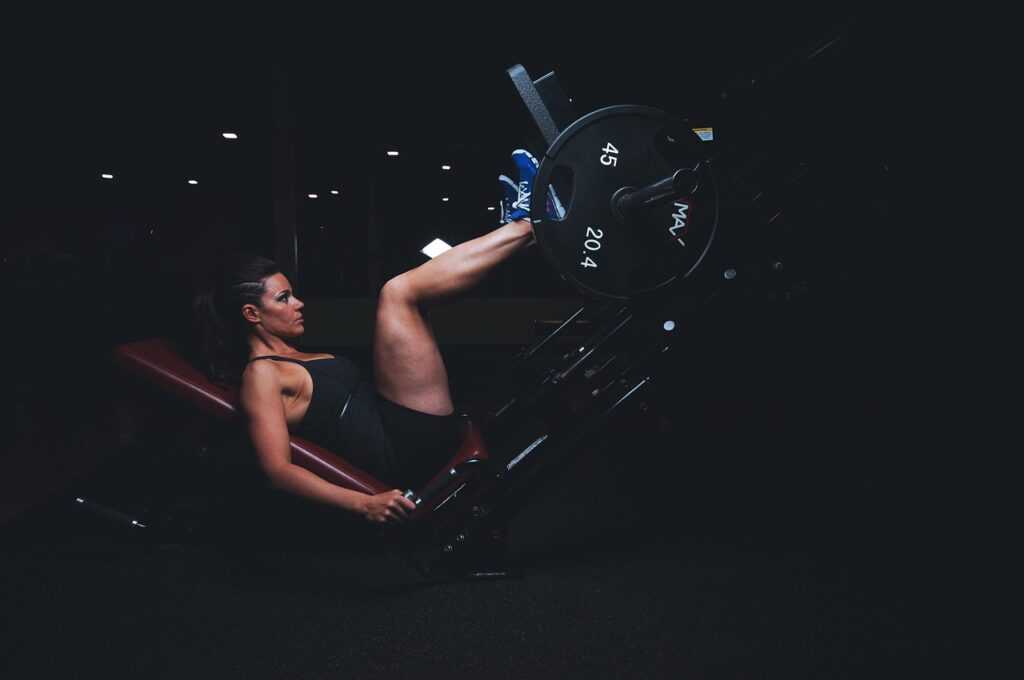
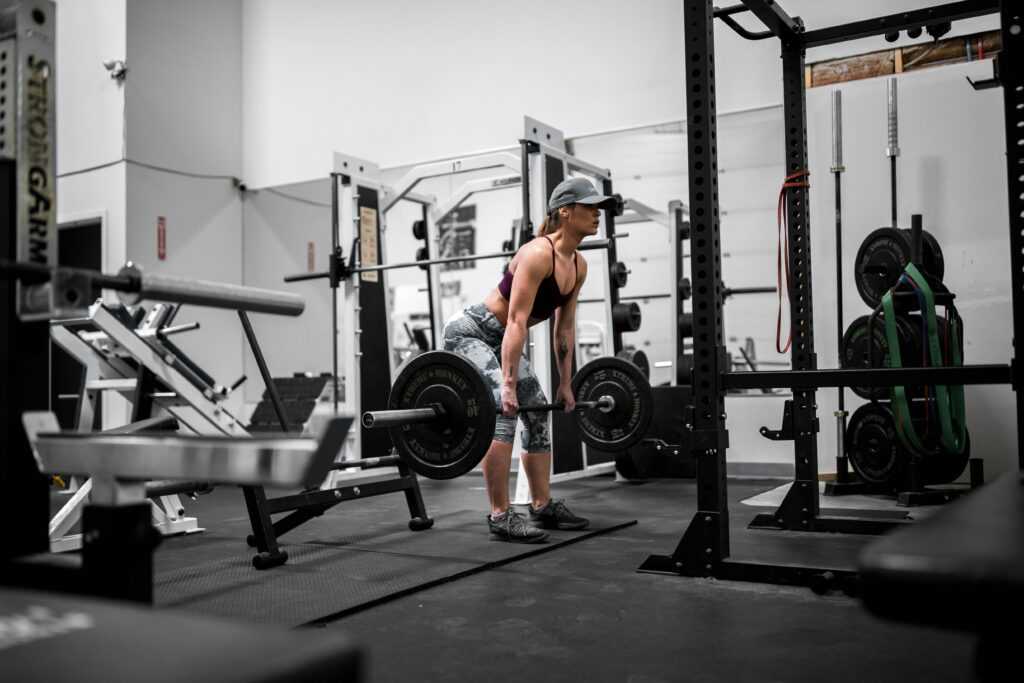
Mainstream fitness looks clean and healthy on the outside—but dig deeper, and the picture isn’t as pretty. Gym machines suck electricity around the clock. Sportswear relies heavily on petroleum-based synthetics. And that flashy packaging for your post-workout supplements? Usually not recyclable. From mass-produced yoga mats to single-use protein shake bottles, the footprint stacks up.
This isn’t just about personal wellness anymore—it’s a collective issue. The fitness industry, like every other, has environmental costs. If you care about clean air and healthy oceans, your workouts need to reflect that. It’s not about shame, it’s about awareness. Once you know, you can do better.
You don’t need to overhaul your life overnight. Shift toward gear made from recycled materials. Skip the treadmill and hit a trail. Reuse, repair, rethink. One person sweating responsibly won’t save the planet—but a few million will make a dent. Fitness should empower, not deplete. Let your values show up in your reps.
Eco-Friendly Gear and Apparel
If you’re serious about sustainable fitness, your gear needs to catch up. Start with the basics: look for recycled fabrics—many brands now use materials made from plastic bottles or old fishing nets. Ethical sourcing also matters. If a label can’t tell you where or how it made something, that’s a red flag. For something truly future-forward, keep an eye out for biodegradable textiles that break down without trashing the planet.
Some brands are leading the way. Patagonia’s fitness line keeps sustainability at its core. Girlfriend Collective turns post-consumer waste into sleek activewear. Pangaia, Allbirds, and Tentree also walk the talk when it comes to green products and transparent sourcing.
Now’s also the time to break up with fast fashion gym wear. That $10 tank built to fall apart in a few washes? It’s costing more than you think—socially and environmentally. Invest in quality pieces, wash them less, and make them last. Your workout clothes should do more than look good. They should do good, too.
Greener Workout Options
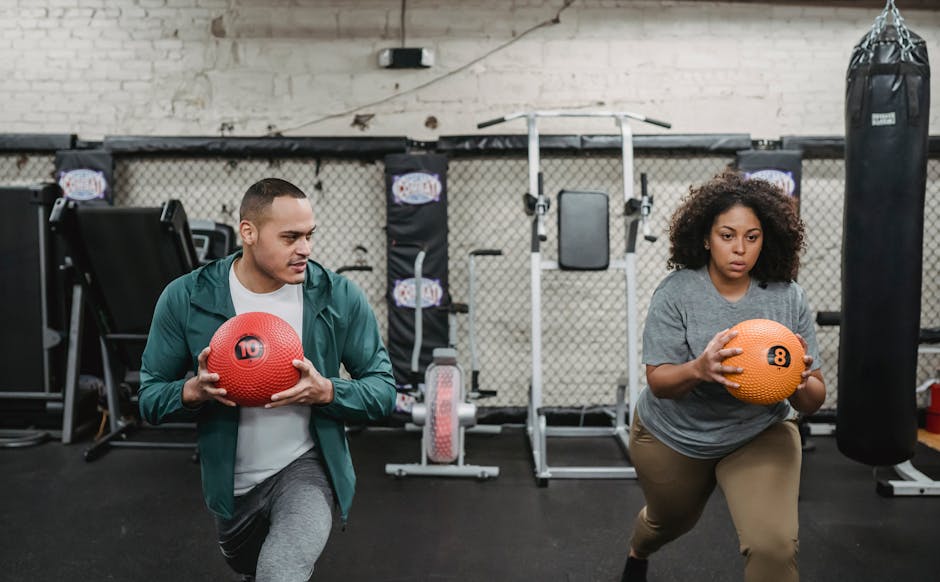
Ditch the machines. In 2024, more people are trading in crowded gyms for open skies and natural terrain. Outdoor training isn’t just refreshing—it’s more sustainable. No electricity-hungry treadmills, no climate-controlled spaces. Just you, your breath, and the elements.
Bodyweight workouts are making a comeback too. Push-ups, air squats, hill sprints—they cost nothing, create zero waste, and deliver results. Add a resistance band or a set of stairs, and you’ve got a full-body setup that doesn’t need plastic benches or iron stacks.
Swapping the treadmill for a trail run or bike ride isn’t just about ambiance—it’s a way to burn calories without burning energy. Choose the forest over fluorescent lights. Grab a bike instead of hopping on another screen-based Peloton ride. It’s not complicated. It’s just cleaner.
The best part? Every green decision you make when you work out ripples beyond your routine. You move better. The planet breathes easier.
Reducing Waste in Your Routine
Going green with your fitness doesn’t mean doing more—it means doing things smarter. Start simple: swap disposable for reusable. A solid water bottle, washable sweat towel, and sturdy meal containers can cut a ton of unnecessary waste over time. Plastic gets tossed far too often in the fitness world. This switch costs less in the long run and feels better.
Next, think gear. Not everything needs to be flashy or new. DIY weight bags can be made with sand or old clothing. Resistance bands, mats, even dumbbells can often be found secondhand if you dig around. Less plastic wrap, fewer supply chains—same results.
And don’t forget the digital mess. That pile of unused fitness apps, daily email blasts, and outdated subscriptions? It’s digital clutter that drains energy and attention. Unsubscribe. Streamline. Go with a platform that fits your goals and drop the rest. Simplifying isn’t just good for you—it cuts down on the server load and data emissions behind the scenes.
In short, waste less across the board. Fitness can be strong, simple, and sustainable.
Energy-Smart Gyms & Eco-Conscious Studios
Not all gyms are created equal—especially when it comes to sustainability. A truly eco-conscious gym doesn’t just hang plants on the wall and call it a day. It starts with infrastructure: solar panels, LED lighting, energy-efficient HVAC systems. These places cut their carbon footprint before you even put on your sneakers.
Then it’s about everyday choices. Low-flow showers, refill stations instead of vending machines, recycled flooring, and non-toxic cleaning supplies. Some go further with on-site composting or fitness equipment that generates power while you work out.
But perhaps the biggest differentiator? Community. The best sustainable gyms act local—partnering with green businesses, hosting workshops, or organizing clean-up events. It’s not just about reps and sets; it’s about making fitness part of something bigger.
Supporting local studios that prioritize sustainability keeps your dollars aligned with your values. And it sends a strong message: fitness should feel good for your body and the planet.
Nutrition with a Low Environmental Footprint
Eating well isn’t just about fueling your body—it’s also a crucial part of your sustainability journey. Incorporating eco-conscious nutrition habits into your fitness routine helps reduce waste, lowers your carbon footprint, and supports long-term wellness.
Powering Up with Plant-Forward Meals
You don’t have to go fully vegan to make a difference. Shifting just part of your diet toward plant-based meals can dramatically reduce greenhouse gas emissions and water usage.
- Center meals around legumes, whole grains, fruits, and vegetables
- Include plant-based protein sources like tofu, tempeh, lentils, or chickpeas
- Choose minimally processed options and seasonal produce when possible
Smart Meal Prep = Less Food Waste
Planning what you eat is key to sustainability. Waste often comes from buying too much or forgetting what’s already in the fridge.
- Plan out your week’s meals to reduce overbuying
- Use clear storage containers and label leftovers to avoid spoilage
- Repurpose scraps—use stems and peels in smoothies or broths
- Freeze excess portions to avoid tossing them later
Fueling Gains While Staying Green
A sustainable diet doesn’t mean sacrificing performance. In fact, clean, plant-forward eating can enhance recovery, energy levels, and overall health.
- Get your post-workout nutrients from whole, plant-based sources like quinoa, nuts, or nutrient-dense smoothies
- Focus on quality over supplements: real food offers phytonutrients often missing from powders
- Stay hydrated with refillable water bottles and reduce waste from disposable drink packaging
Sustainable eating is about more than what’s on your plate—it’s how your food supports your body, your goals, and the planet.
Digital Fitness and Its Double-Edge
Online fitness classes exploded for good reason—no commute, flexible scheduling, and access to world-class instructors from your living room. But there’s a flip side: more screen time, more electricity use, and more data streaming. In other words, convenience often comes with a quiet carbon cost.
The way forward isn’t ditching digital, but being smarter about it. Download workouts instead of streaming them repeatedly. Mute your video when it’s not needed to cut bandwidth. Schedule screen-free movement sessions—like your warm-up or cool-down—to reduce digital fatigue. And if you’re signing up for an app or program, choose ones with lightweight interfaces or green tech certifications.
Every click has a consequence. Minimalist digital habits help you stay fit while treading lighter on the planet. It’s a balance—use the tech, but don’t let it use you.
Building a Greener Fitness Community
Sustainable fitness doesn’t stop at your water bottle or workout gear—it’s about what you stand for when you move. That’s where fitness activism comes in. More athletes and trainers are organizing clean-up runs, park workouts, and community meetups where sweating it out goes hand-in-hand with giving back. It’s not just fitness; it’s making your presence count.
Being climate-conscious isn’t just about personal choices—it’s about accountability. Vloggers and influencers in the fitness space have a role to play showing what eco-forward training looks like, not just talking about it. Taking public stances, staying transparent about carbon-heavy habits, and actively choosing better options pushes the conversation beyond hashtags.
And sharing knowledge? That’s free but powerful. Whether you’re breaking down the environmental cost of protein powders or spotlighting local green gyms, you’re shaping what your audience sees as normal. Influence matters. Use it.
Small actions stack up. A few hundred people trading one treadmill session for a trail run, or choosing repair over replace on their activewear? That adds up. Green fitness communities thrive when individuals own their impact and help others do the same.
For More Insights
Staying on top of where wellness is headed gives your fitness routine staying power. The landscape is moving quickly. From digital detox days to hybrid workouts that balance rest with intensity, emerging trends aren’t just about the next gadget—they’re about recalibrating how we take care of ourselves. Mental health is showing up more as a priority in programming, and recovery tools are becoming just as crucial as training techniques.
One standout trend? Functional fitness with a sustainable twist—think movement patterns that prep your body for the real world, not just the gym floor. Also gaining ground: quiet fitness. Slower, intentional approaches like mobility flows and grounding exercises are carving out space next to HIIT and bootcamps.
To get a broader view of what’s picking up across the board, check out the full run-down in Top Fitness Trends to Follow in 2023.
Final Takeaway
Sustainable fitness isn’t about checking every eco-box or turning your entire routine upside down. It’s about doing better when you can—and being consistent about it. Swap the plastic shaker bottle for something reusable. Skip the fast-fashion leggings and invest in gear that lasts. Cut back on unnecessary tech and train outdoors when the weather allows.
At its core, this mindset shift puts intention front and center. You’re not just working out to look a certain way. You’re moving with purpose—to build a resilient body and leave a lighter footprint doing it. That matters.
Not everything will change overnight, and that’s fine. Pick your battles. Stay aware. Tell others what’s working. Because when you stack those better choices over time, you don’t just get stronger—you help build a culture of health that respects the planet too.
Green gains are real gains. Lean into them.

 As co-founder of geniusfitnessarena.com, Meldric Jorrendor combines fitness knowledge with cutting-edge innovations. His articles focus on personalized training systems, AI-driven health trends, and strategies that bridge traditional workouts with modern technology.