Intro: The Evolution of How We Train
Traditional gyms didn’t vanish—they just stopped being the only option. Over the past decade, we’ve seen a steady shift toward digital fitness. First came the apps and trackers. Then the pandemic hit, and suddenly home workouts became a necessity, not a luxury. Streaming yoga sessions or following a HIIT timer on a phone wasn’t just convenient—it became the new normal.
Now, we’re in the hybrid era. Hybrid fitness blends old-school sweat with new-school tech. It’s logging miles on a treadmill at your gym, then hitting a guided strength class via an app at home. It’s checking your form through your smart mirror before heading out to a bootcamp session. This isn’t about replacing gym time—it’s about flexibility, efficiency, and control.
For busy schedules and varied preferences, hybrid fitness just works. It saves commute time without sacrificing intensity. It lets you train on your terms, whether that means a 30-minute stretch on the living room floor or a heavy lift session after work. Empowering, adaptable, and here to stay: hybrid training speaks directly to the needs of the modern routine.
The Rise of On-Demand and Live Virtual Workouts
Hybrid fitness isn’t just a buzzword—it’s how people are actually training today. The days of picking just one lane (strictly gym, strictly app) are long gone. Most folks now stitch together routines from a mix of YouTube workouts, platform-based programs (like Peloton, Nike Training Club, or Centr), and live Zoom or Instagram classes with independent trainers. It’s training on your own terms.
Why does this work so well? One word: flexibility. Morning stretch in your living room via YouTube. Lunch break HIIT with your trainer on Zoom. Weekend heavy lift session at the gym. The mix delivers convenience, variety, and a level of personalization you just don’t get with a cookie-cutter routine. If something doesn’t click, you switch it up—without canceling a membership or rearranging your week.
Tech is making this even smoother. Apps like MyFitnessPal or Strong turn your phone into a training diary. Wearables from WHOOP and Garmin track real-time recovery so you don’t push through burnout. And scheduling platforms help trainers coordinate their live classes while staying accessible to remote clients. It’s a tech-meets-training model, and it’s here to stay.
Why Gyms Are Still in the Game
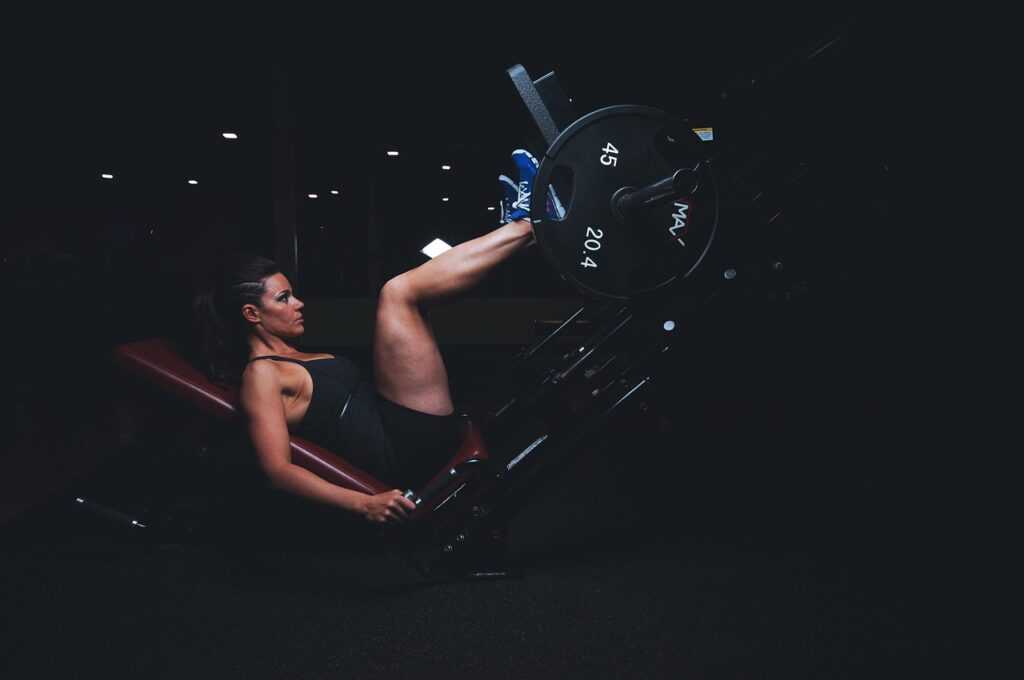
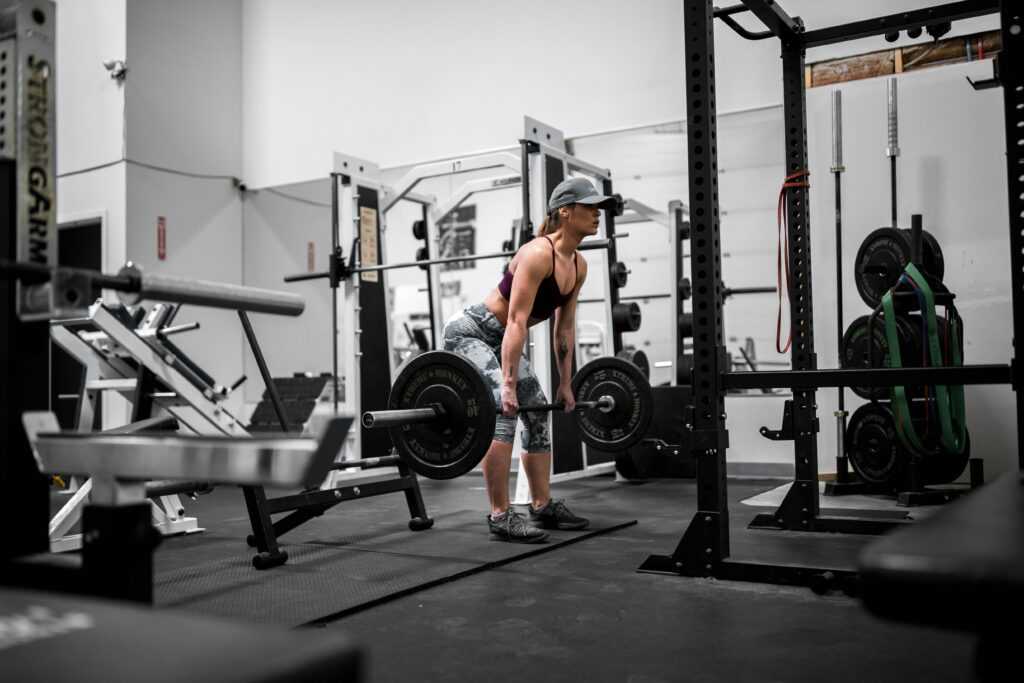
For all the innovation in digital fitness, there’s something the virtual world can’t quite replicate: the raw, tangible presence of a physical gym. Heavyweights. Rowers. Chalk dust and eye contact. Gear you don’t have crammed next to your laundry basket. But the real advantage? Accountability. Being in a room with other people grinding through reps does something to your head—pushes you a little further, keeps you honest.
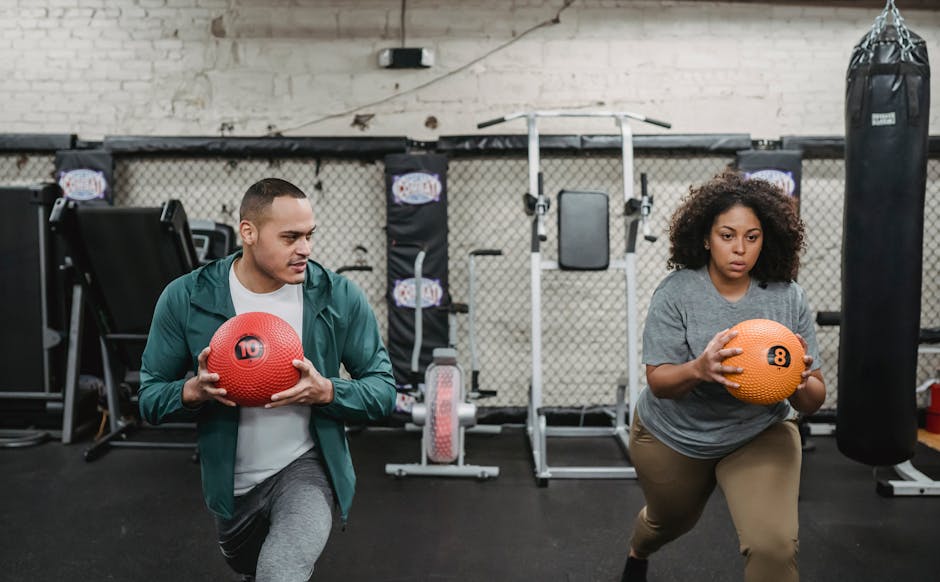
There’s also the social fuel. Casual nods from the regulars, a trainer offering a quick cue, or just vibing off the energy of a packed squat rack at 6 PM. That kind of live atmosphere builds momentum fast, especially for those who struggle to hit play alone on an app.
Modern gyms know they can’t just ride out the storm by offering more dumbbells. They’re adapting. Hybrid memberships are more common—mixing in-person sessions with on-demand training apps. Some gyms now offer their own digital content, livestream classes, and use app-based check-ins or progress tracking. This allows members to toggle between convenience and community, depending on the day.
Take Iron Pulse in Austin, Texas. Post-pandemic, they introduced a tiered membership model: full access, digital-only, or a combo. They also set up small group training synced with virtual challenges, keeping remote members tied into the gym culture. Result: membership grew 22% in a year. Then there’s Eastside Barbell in Portland, a hardcore gym that added QR-coded “form checks” linked to instant video tutorials.
Gyms aren’t dying. Just mutating. The forward-thinking ones know the future isn’t about choosing one model—it’s about letting members move between worlds.
Crafting the Ideal Hybrid Routine
Balancing screen time with squat time takes more than good intentions—it takes a plan that keeps both your body and your mind in check. Most people fall off track when either the tech or the sweat takes over. Hybrid training is about the overlap.
Start by blocking time for your workouts just like meetings. Treat both a 30-minute strength app session and a gym lift like non-negotiables. Don’t let digital convenience become digital distraction. Use one or two trusted apps or platforms. Stick to them. Don’t jump from Peloton to YouTube to some Instagram Live with no structure.
Here’s a sample week to hit solid ground:
- Monday: At-home mobility & stretch (20 mins, app-guided)
- Tuesday: Gym day – weights + cardio finisher (1 hr)
- Wednesday: Active rest – light yoga or walk (optional guided app session)
- Thursday: HIIT from home (30 mins, digital class)
- Friday: Gym focus – legs + core (45-60 mins)
- Saturday: Outdoor hike or sport
- Sunday: Rest or guided meditation
Consistency doesn’t mean perfection. It means you build habits into your week that you’re more likely to keep. To avoid burnout, rotate intensity, keep workouts realistic, and allow off-days. It’s okay to log off. Not every session has to be tracked, recorded, or shared. Hybrid fitness works best when it keeps you moving—without taking over your life.
Environmental Benefits of Hybrid Fitness
Turns out, working out smarter can also mean working out greener. One of the biggest environmental wins of hybrid fitness is fewer car trips to the gym. Cutting even two or three commutes per week adds up fast—less gas burned, fewer emissions, and less traffic clogging things up. For people in more remote areas, that impact is even bigger.
Another plus? Energy usage. Training at home usually means less lighting, AC, and facility energy compared to massive gyms running at full power all day. When you mix in-gym days with home sessions, you’re not just balancing your schedule—you’re softening your footprint.
You’re not expected to go fully off-the-grid yogi. But tweaking your workout routine with an eye on sustainability doesn’t take much, and it pays off in the long run—for you and the planet.
Explore more in: Sustainable Fitness: Going Green in Your Exercise Routine
Challenges and Real Talk
Let’s not sugarcoat it—hybrid fitness isn’t all green smoothies and smartwatches. The convenience comes with a few hard edges. First off: screen fatigue is real. Going from work Zoom calls to a virtual training session can feel like a slog. The same device that delivers your workouts also pinged you with 45 Slack messages. That wears thin.
Then there’s the gear gap. At-home setups often feel like a compromise. You’re subbing backpacks for weights, sliding on hardwood trying to simulate a proper gym floor. Sometimes you need a heavy barbell, not a resistance band and a YouTube video. And if you’re tight on space? Good luck squeezing in a full routine in between the couch and the coffee table.
Discipline probably deserves its own warning label. No front desk, no instructor looking you in the eye. If you skip your home workout, nobody knows but you. Which sounds freeing—until it isn’t. Consistency takes serious self-accountability when there’s no one else keeping track.
Hybrid fitness works—but it also asks more of you. Less structure, more responsibility. Fewer excuses, but also fewer built-in reminders. It’s a powerful model, but only if you’re ready to own the friction as much as the flexibility.
The Future of Fitness is Flexible
The next wave of hybrid fitness isn’t about slicker apps—it’s about smarter systems. Expect a surge in AI-assisted coaching that personalizes workouts, adapts in real time, and stops guessing what your body needs. Think dynamic reps based on your current energy, real feedback loops, and programs that evolve with you instead of static workout PDFs. This isn’t pie-in-the-sky anymore; it’s tech already being tested across platforms and devices.
Meanwhile, gyms aren’t just sitting back. They’re integrating smarter tech to stay essential—QR-coded weights, AI-tracked form correction, and seamless sync with your training app of choice. The goal is clear: make the gym feel less like a place and more like a connected part of a bigger ecosystem.
Hybrid training isn’t just more efficient—it breaks down barriers. For people juggling work, kids, chronic pain, or social anxiety, the choice between home and gym opens the door wider. More formats mean more access, more accessibility, and fewer excuses.
Bottom line? It’s not about where you work out. It’s about showing up, staying in the fight, and giving a damn. Hybrid fitness just makes that a little easier.

 As co-founder of geniusfitnessarena.com, Meldric Jorrendor combines fitness knowledge with cutting-edge innovations. His articles focus on personalized training systems, AI-driven health trends, and strategies that bridge traditional workouts with modern technology.